Showing posts with label book review. Show all posts

Tuesday, June 16, 2026

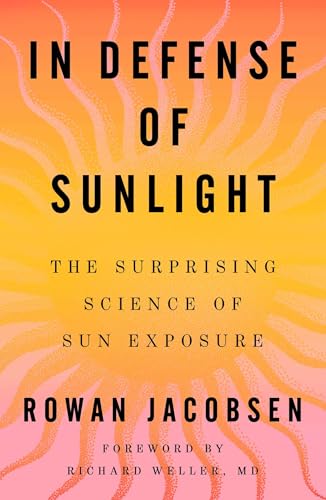
In Defense of Sunlight by Rowan Jacobsen

Book cover
In Defense of Sunlight
by Rowan Jacobsen


ISBN-13: 9780593197882
Hardcover: 288 pages
Publisher: Scribner
Released: June 16, 2026

Source: ebook review copy from the publisher through NetGalley.

Book Description, Modified from Goodreads:
A quiet revolution is transforming our understanding of sunlight’s effects on human health. For decades, a “zero-sun” policy has characterized our approach to sun protection, advising us to stay out of the sun whenever possible and apply sunscreen daily to any skin that might be exposed, rain or shine, summer or winter, indoors or out. But recent studies have proved that this policy is thoroughly mistaken and that this prolific misunderstanding is causing us to miss out on many of the health benefits of sun exposure.

In this incisive work, acclaimed journalist Rowan Jacobsen presents the growing case for the importance of modest sun exposure for our health and well-being. Aided by the most up-to-date studies on the effects of sunlight on human health, Jacobsen presents a much-needed, lucid assessment of not only what the sun can do for us, but how a lack of sun could actively be harming us.

In Defense of Sunlight sounds the call on what researchers have been sure of for years, and what health care providers and media outlets have been slow to take that sunlight is one of the simplest, and most equitable, treatments for a variety of health issues, from diabetes to dementia to multiple sclerosis. Laying out the new science of sunlight in a straightforward and responsible manner for mainstream readers, this book is an eye-opening story of scientific discovery, outlining not only best practices for sun exposure, but the story of how current recommendations became misguided, how a few inquisitive scientists glimpsed the truth and deciphered the mechanisms responsible, and how everyone can safely incorporate this new knowledge into their daily lives. It also exposes the implicit injustice underlying current approaches, which benefit the whitest people on earth (who are the most susceptible to skin cancer) at the expense of those with darker skin (who suffer extremely low rates of skin cancer and have the most to gain from sun exposure).

A call for a return to common sense in our relationship with our local star, In Defense of Sunlight offers its own seven words of Get sun. Not too much. Go outside.


My Review:
In Defense of Sunlight discussed scientific studies on the benefits and dangers of sunlight to human health using a historical framework. In the 1800s, scientists realized that lack of sunlight in badly polluted cities was causing rickets in children. Doctors started treating diseases like tuberculosis with sunlight, and the recommendations moved toward nude sunbathing for your health. Scientists discovered vitamin D. So, of course, people made vitamin D pills and UV lamps as health products but discovered neither quite lived up to hopes (though a narrow wavelength UV light can be used to treat multiple sclerosis!).

The author covered the skin cancer scare that lead to the current recommendations as well as the history of sunscreen, its variable effectiveness at blocking UV, and research into if it really does stop skin cancer. He also showed why the actual science is much more nuanced than 'everyone should always wear sunscreen.' You can get many health benefits from the sun while most sun-exposure cancers won't kill you, so informed sun exposure (especially for darker-skinned people) is desirable. After covering recent scientific studies on why getting sun on your skin provides various health benefits, he covered the latest science-based recommendations for how much sun your skin type should get and when is the best times to get it.

Though there is a lot of good scientific information in this book (thank you!), it's an easy read and the science is explained in terms a high schooler could understand. I knew I enjoyed the joint-deep warmth of the sun, and now I better understand why I'm drawn to sun exposure, especially in the morning. It helps your body in a multitude of ways. Overall, I'd highly recommend this informative and interesting book.


If you've read this book, what do you think about it? I'd be honored if you wrote your own opinion of the book in the comments.


Tuesday, May 26, 2026

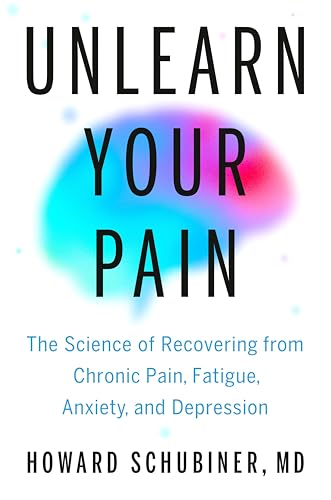
Unlearn Your Pain by Howard Schubiner, MD

Book cover
Unlearn Your Pain
by Howard Schubiner, MD


ISBN-13: 9780593994368
Hardcover: 496 pages
Publisher: The Open Field
Released: May 26 2026

Source: ebook review copy from the publisher through NetGalley.

Book Description from NetGalley:
Migraines, headaches, back pain, fibromyalgia, irritable bowel syndrome, chronic fatigue, and a host of other chronic illnesses have caused hardship worldwide. For the past twenty years, Dr. Howard Schubiner has conducted clinical trials and authored more than 100 scientific papers to uncover the root cause of these in challenging illnesses. In Unlearn Your Pain, he shares in inspiring and step-by-step detail the program that has proven to be effective in reversing chronic pain, fatigue, anxiety, and depression. For most people, the answers lie in the science of neuroplasticity, and this book details a revolutionary program that has saved thousands from a lifetime of misery and depression.

Using the latest research and mind-body practices all confirmed by clinical trials and studies, Dr. Schubiner leads readers to a new understanding of how the mind affects pain and physical and emotional health, and how we can live healthier and better lives.


My Review:
Unlearn Your Pain explains how it is actually your brain that generates pain based on perceived danger, either from further physical damage or emotional distress. While injury can be the cause of pain, this usually resolves when the injury heals. Yet chronic pain and things like depression or anxiety might linger even after the damage is healed--or even be generated because the brain thinks it's keeping you from danger. The author provided many examples of this.

He carefully evaluates patients to see if tissue damage is behind the pain or not. If not, he's developed a couple ways to help your brain feel safe again--safe to move, have energy, and be joyful. The one thing that I felt the author overlooked is how the body can go into "freeze" (of fight, flight, or freeze fame) when a person feels overwhelmed, powerless, or in danger and that's what he's trying to reset with his methods.

The author then described in detail and with real examples how to use his methods on yourself or what a practitioner using these methods will do with you. He also described a number of clinical trials that have tested his methods against other popular chronic pain alternatives like Cognitive Behavioral Therapy. The results with his methods worked better (greater relief from symptoms) and lasted longer. So if you have chronic pain, fatigue, depression, or anxiety you might try this an see if it helps.


If you've read this book, what do you think about it? I'd be honored if you wrote your own opinion of the book in the comments.

Tuesday, April 28, 2026

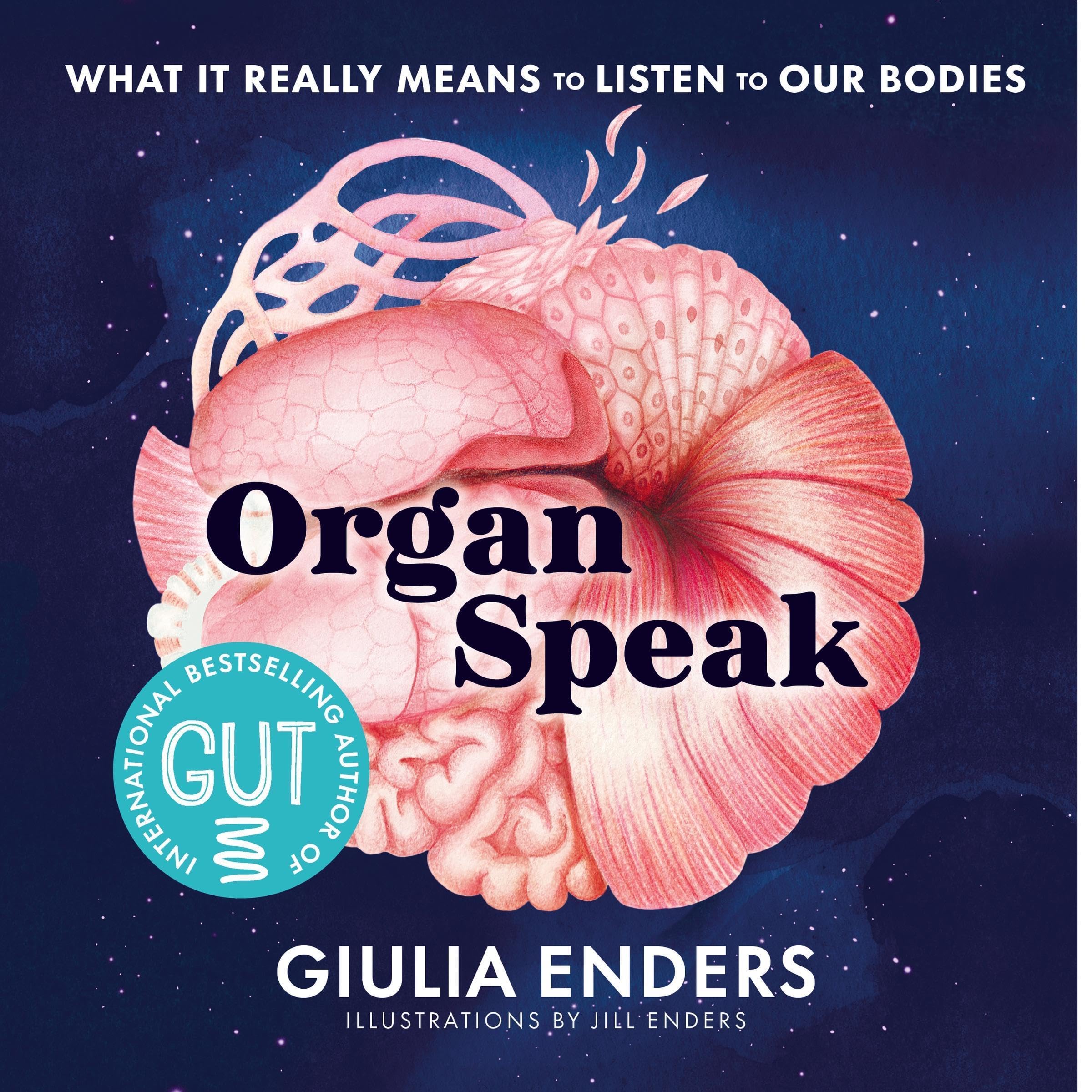
Organ Speak by Giulia Enders

Book coverOrgan Speak
by Giulia Enders


ISBN-13: 9780063494015
Paperback: 320 pages
Publisher: HarperOne
Released: April 28, 2026

Source: ebook review copy from the publisher through NetGalley.

Book Description, Modified from Goodreads:
In Organ Speak, German physician Giulia Enders guides us through our inner landscape, introducing us to the unseen heroes of our bodies. She shows how, for thousands of years, our organs have responded to challenges with astonishing intelligence - and that they have much to teach. What, for example, can the immune system tell us about our need to feel safe? How does the process of wound-healing mirror emotional recovery? What do we truly need to thrive?

With vivid stories and the latest science, this book not only opens our eyes to the wonders within but inspires us to approach our bodies with greater mindfulness and trust.


My Review:
Organ Speak is a somewhat philosophical look at the human lungs, immune system, skin, muscles, and brain, ending with the author talking directly to the brain. The author is German. The book has been translated and reads pretty smoothly. The author used a lot of exclamation marks! Sometimes every few sentences! I suppose because she's very astonished, enthusiastic, or surprised by how the organs work.

She didn't get technically detailed but instead described the organs and how they work by using analogies and everyday imagery. Sometimes this got a little confusing for me as I know the actual terms and processes in many cases and it wasn't always immediately clear what she meant to describe. There was some good information worked into the storytelling, but I didn't learn a lot that was new. I think the target audience was a person who knows little about how their organs work but would be bored by a more technically precise explanation.

Each chapter focused on one organ and started with a personal story about a person that the organ reminded the author of followed by an evolution-based origin story of the organ. After that, we're given a series of subtopics describing different aspects of the organ.


If you've read this book, what do you think about it? I'd be honored if you wrote your own opinion of the book in the comments.


Tuesday, March 31, 2026

Under Siege by Eric Trump

Book cover
Under Siege
by Eric Trump


ISBN-13: 978-1668205877
Hardcover: 288 pages
Publisher: Threshold Editions
Released: October 14, 2025

Source: Friend gave me a copy.


Book Description, Modified from Goodreads:
From Eric Trump's earliest memories of growing up as part of the Trump family to pivotal roles in the 2016 and 2024 presidential elections, spearheading strategies to combat lawfare, and leading the Trump Organization, Eric has been deeply invested in all aspects of his family’s legacy. As one of his father’s original apprentices, Eric has always strived to build on that foundation.

As the Executive Vice President of the Trump Organization since 2015, Eric has navigated the dual worlds of politics and business, growing the company, while battling unprecedented opposition from the media, Democrats, and ongoing legal challenges.

From raids on his childhood home, Mar-a-Lago, to near assassination attempts, from Russiagate to cold and corrupt court rooms, the fake news media, censorship, and character smears—this wasn’t just an attack on a president, or even his family. America itself was under siege.

In this book, Eric offers an unfiltered look at the highs and lows of life in the Trump world; how he took the reins of a multibillion-dollar empire at thirty-three years old; enlightening stories from real estate to the boardroom of The Celebrity Apprentice, and the chaos of the campaign trail.


My Review:
Under Siege is an autobiography of Eric Trump's life, covering his childhood but mostly focusing on the last ten years or so. He's fiercely proud of his father and defended the integrity of the Trump real estate business (which he runs). He made comments about the various cases and underhanded things that Donald Trump's opponents did to try to ruin the business and make his father lose the elections. It's more insights into how the lawsuits impacted the family than details about why specific rulings were not just or in line with normal legal procedures. Overall, it was an interesting read and I'd recommend it to anyone not solidly against President Trump simply because he's Trump.


If you've read this book, what do you think about it? I'd be honored if you wrote your own opinion of the book in the comments.

Tuesday, March 24, 2026

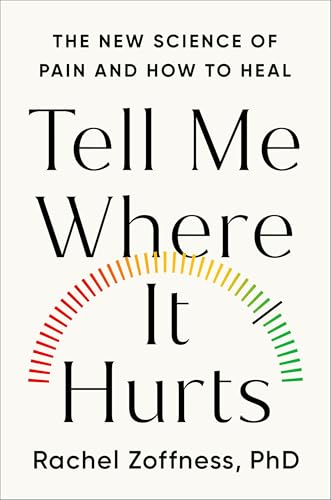
Tell Me Where It Hurts by Rachel Zoffness

Book cover
Tell Me Where It Hurts
by Rachel Zoffness


ISBN-13: 9781538758144
Hardcover: 336 pages
Publisher: Grand Central Publishing
Released: March 24, 2026

Source: ebook review copy from the publisher through NetGalley.

Book Description, Modified from Goodreads:
Every one of us will experience pain, be it back pain, the pain of childbirth, or living in an aging body. Not a single one of us will escape. But what if everything you thought you knew about pain was wrong?

We’ve been told that pain is purely physical, something to do just with bones and body parts. The truth is that pain is constructed by the brain – influenced not just by injuries, but also by emotions, expectations, and environment. This means you have infinitely more control over pain than you ever imagined: because if the brain can change, pain can change.

Rooted in cutting-edge neuroscience and rich patient stories, Dr. Rachel Zoffness completely upends the myths we’ve been sold – finally reconnecting physical and emotional pain, and providing a roadmap for healing. The fact is that chronic pain is treatable. But to do that, we must target the whole person – not just a body part. A groundbreaking, revolutionary book that finally offers access to the world’s most powerful painkiller: YOU.


My Review:
Tell Me Where It Hurts describes non-pill or -surgery methods that help to control pain. We've been told that pain comes from physical damage, and pain medication and things like surgery are what's needed to stop the pain. But the author gave examples of how there can be damage but no pain or pain with no obvious cause. She also showed how emotions and expectations ("this is going to hurt") can make pain worse or better.

We can change how we view our pain and how bad it will be. The author provided questions that help the reader identify situations and thoughts that make the pain worse and actions and thoughts that can help reduce pain. She also suggested using methods like Cognitive Behavioral Therapy or taking actions like increasing positive social interactions. She provided enough information that the reader can make small, impactful changes that add up over time to reduce your pain. Overall, I'd recommend this informative book.


If you've read this book, what do you think about it? I'd be honored if you wrote your own opinion of the book in the comments.

Tuesday, March 3, 2026

The Invincible Brain by Majid Fotuhi

Book cover
The Invincible Brain
by Majid Fotuhi


ISBN-13: 9780063435711
Hardcover: 352 pages
Publisher: Harper Wave
Released: March 3, 2026

Source: ebook review copy from the publisher through NetGalley.

Book Description, Modified from Goodreads:
In just 12 weeks, you can take major steps to prevent and reverse cognitive decline, boost memory, and enhance mental sharpness at any age. A leading neuroscientist at Johns Hopkins University unveils a groundbreaking glimpse into the remarkable, resilient brain, and offers a science-backed plan to unlock its true potential.

Dr. Majid Fotuhi, MD, PhD, world-renowned neurologist and adjunct professor at Johns Hopkins, is leading the charge in revolutionizing how we understand human intelligence, brain health, and age-related cognitive decline. In this pioneering book, he reveals the true wonder of how the brain works and its infinite potential for growth and change. Supported by over 35 years of original research, The Invincible Brain demonstrates how targeted lifestyle changes can prevent, treat, and even reverse mild cognitive impairment, early Alzheimer’s disease, dementia, ADHD, and concussion symptoms.

Dr. Fotuhi’s 12-week program is backed by extraordinary clinical results, published in peer-reviewed scientific journals, showing that more than 80% of patients achieve exceptional improvements in memory, focus, and other cognitive functions. In elderly patients with mild cognitive impairment, MRIs show a 3% increase in the volume of the hippocampus, the key brain region for learning and memory.

This actionable guide provides a step-by-step formula for unlocking your brain's hidden potential, building resilience, and maximizing mental acuity at any age. You’ll learn the Five Pillars of the Brain, ways to optimize fitness, sleep, nutrition, mindset, and brain training for lifelong cognitive vitality. Also, you'll learn the truth about dementia and Alzheimer’s, including the latest in testing and treatment. The Invincible Brain delivers everything you need to empower your brain to thrive—in as little as 12 weeks. Your smarter, sharper future begins now.


My Review:
The Invincible Brain explains how to improve your mental abilities at any age, but it's especially for people concerned about brain fog, poor memory, etc. The first part of the book read like an extended pep talk: there are different types of intelligence, and you're intelligent in some ways while other people excel in different ways. Everyone can improve their memory by using brain training and memorization tricks. Then the author got into the details about his 12 week program, and he really did give enough information that you can do it on your own. He broke it down into steps to take and covered several main areas: better sleep, good nutrition, physical exercise, brain training exercises, and ways to deal with stress and negative mindsets. He sometimes talked about scientific studies, but it's clearly explained for those not into science details. The author also gave examples of people who benefited from his program and what they did to improve their brain. Overall, I'd recommend this book to those worried about getting dementia or who feel like their brain isn't working as well as it used to.


If you've read this book, what do you think about it? I'd be honored if you wrote your own opinion of the book in the comments.

Tuesday, February 3, 2026

Art Cure by Daisy Fancourt

Book cover
Art Cure
by Daisy Fancourt


ISBN-13: 9781250364531
Hardcover: 320 pages
Publisher: Celadon Books
Released: February 3, 2026

Source: ebook review copy from the publisher through NetGalley.

Book Description, Modified from Goodreads:
From cradle to grave, engaging in the arts has remarkable effects on our health and well-being. Music supports the architectural development of children’s brains. Artistic hobbies help our brains to stay resilient against dementia. Dance and magic tricks build new neural pathways for people with brain injuries. Arts and music act just like drugs to decrease depression, stress, and pain, reducing our dependence on medication. Going to live music events, museums, exhibitions, and the theater decreases our risk of future loneliness and frailty. Engaging in the arts improves the functioning of every major organ system in the body, even helping us to live longer.

This isn’t sensationalism, it’s the results of decades of studies gathering data from neuroimaging, molecular biomarkers, wearable sensors, cognitive assessments, and electronic health records. From professor Daisy Fancourt, an award-winning scientist and science communicator and director of the World Health Organization’s Collaborating Centre for Arts and Health, this book will fundamentally change the way you value and engage with the arts in your daily life and give you the tools to optimize how, when, and what arts you engage in to achieve your health goals.


My Review:
Art Cure is about how doing art can help a person's health. The author has personally researched how arts can impact our health, from studies to see if more frequent arts engagement leads to better health outcomes over the years to specific experiments done to see how calming music can help in hospitals and similar ideas. She also included experiments done by others that show the impact that viewing or doing various arts (reading, dancing, making or listening to music, visiting the theater, etc.) can have on health outcomes. She gave examples, from singing to a premature baby to help the baby stay calm and thrive to teaching magic tricks as a way to make physical therapy fun for kids.

The author summarized how the various studies were set up and the results but also usually gave an example of a specific person to show how the principle has worked out in someone's actual, real life. She didn't get deep into the science except to explain just how much we could really conclude from the various studies. She ended each chapter by suggesting various ways we could practically use the information in that chapter: how long do we do an activity, how frequently, and what sort of arts might have the desired effect. I had no trouble following the author's points and found the information both interesting and something that I could easily act upon. Overall, I'd recommend this interesting book.


If you've read this book, what do you think about it? I'd be honored if you wrote your own opinion of the book in the comments.

Tuesday, January 13, 2026

The Ultimate Guide to Red Light Therapy by Ari Whitten, MS

Book coverThe Ultimate Guide to Red Light Therapy: Revised and Updated
by Ari Whitten, MS


ISBN-13: 9780593736555
Hardcover: 384 pages
Publisher: Rodale Books
Released: January 13, 2026

Source: ebook review copy from the publisher through NetGalley.

Book Description, Modified from Goodreads:
REVISED AND UPDATED SECOND EDITION • Harness the power of red light therapy to achieve younger-looking skin, accelerate healing, boost energy levels, support fat loss, amplify the benefits of exercise, and more! This comprehensive guide is updated with the latest research and insights from leading scientists.

Light has the power to heal your body and optimize your health. There are over six thousand peer-reviewed scientific studies showing the proven health benefits of red and near-infrared light therapy, also known as photobiomodulation (the science of using light to modulate biology). In The Ultimate Guide to Red Light Therapy, Ari Whitten, MS, cuts through all of the confusion around this complex topic. He explores the science behind this therapy and reveals how to harness its power to improve your health, your body, and your life.

The Ultimate Guide to Red Light Therapy provides critical information on how to achieve the best results—determining the proper dose for every type of treatment, avoiding common mistakes that can undermine your results, and identifying devices that are worth buying while steering clear of those that are underpowered, overpriced, or ineffective.


My Review:
The Ultimate Guide to Red Light Therapy explains the science behind using red and infrared light for a wide variety of health benefits and how to select a device suited to your end purpose (more surface-level, skin benefits or deeper, like helping joints or muscles). I've previously read the first edition of this book, and this second edition included a lot more information, especially up-to-date, detailed information on the latest scientific research. These sections get technical. However, the book is designed so you can jump over sections that don't interest you. This also means that a lot of information was repeated (in more detail in some places and less detail in others). I ended up skimming sections that got repetitive. Overall, though, this is a good resource if you're interested in using red light therapy, especially in optimizing your red light therapy results. The author didn't specifically recommend very many devices in the book as he felt the market was changing so quickly. He provided a link to go to for the latest recommendations.


If you've read this book, what do you think about it? I'd be honored if you wrote your own opinion of the book in the comments.

Tuesday, November 4, 2025

The Life Machines by Daria Mochly-Rosen; Emanuel Rosen

Book coverThe Life Machines
by Daria Mochly-Rosen; Emanuel Rosen


ISBN-13: 9781668057988
Hardcover: 304 pages
Publisher: Simon Element
Released: October 14, 2025

Source: ebook review copy from the publisher through NetGalley.

Book Description, Modified from Goodreads:
Improve your lifelong health and well-being by understanding what mitochondria really do for you, and how through small lifestyle changes, these awe-inspiring powerhouses can better your life.

Meet your mitochondria—tiny but mighty organelles that are the true engines of life. These organelles are popularly known as the “powerhouses of the cell,” but new research shows that the mitochondria do more than just convert food into energy—they’re orchestrators of critical functions that keep you healthy and alive.

This groundbreaking book by a leading scientist from Stanford University School of Medicine and her husband, a bestselling author, is the first to provide a comprehensive yet easy-to-understand look at mitochondria and their vital role in human health. It is based on the premise that healthy mitochondria are the key to healthy cells and, thus, to healthy tissues, healthy organs, and a healthy body. The Life Machines provides practical and fundamental principles that you can use to unlock your body’s full potential, including how sleep, stress, exercise, toxins, and diet affect mitochondria function. Dysfunction of these organelles has been linked to diseases and conditions such as Alzheimer’s disease, type 2 diabetes, heart diseases, cancer, depression, autism spectrum disorder, chronic fatigue syndrome, and infertility

Packed with surprising facts, you’ll read about “mitochondrial Eve” who lived in Africa 200,000 years ago; tiny rotors that spin inside your body at fantastic speed; how cancer cells steal mitochondria from immune cells; how mitochondria help shape a baby’s fingers and brain; how mitochondria in your thighs are linked to your cognitive capacity, and more.

Skillfully weaving cutting-edge scientific discoveries, expert testimonies, personal stories, and practical insights, The Life Machines is inspiring and hopeful, empowering you to adopt lifestyle changes that will benefit the smallest—and yet most crucial—parts of the human body.


My Review:
The Life Machines is about the functions that mitochondria perform, things recent research has discovered about mitochondria, and how we can improve (or maintain) good mitochondria function through good sleep, exercise, relaxation, and diet. Also, why we should avoid chronic stress and toxins from the mitochondrial viewpoint. One author, Daria, is a researcher and provided the latest scientific information while Emanuel wrote this information in ways that anyone can understand, explaining things in both scientific terms and then through analogies. It was interesting to learn how much more mitochondria do for you than produce energy and the latest research on how exercise and such affect your mitochondria for good and bad. Overall, I'd recommend this interesting science book.


If you've read this book, what do you think about it? I'd be honored if you wrote your own opinion of the book in the comments.

Tuesday, October 21, 2025

The Biology of Trauma by Aimie Apigian

Book cover
The Biology of Trauma
by Aimie Apigian


ISBN-13: 9781637746233
Hardcover: 320 pages
Publisher: BenBella Books
Released: September 23, 2025

Source: ebook review copy from the publisher through NetGalley.

Book Description, Modified from Goodreads:
The latest research on how trauma impacts our bodies on a cellular level. Traditional medicine still mistakes subtle signs of trauma for stress, anxiety, or chronic disease—sometimes even retraumatizing patients with outdated and misguided methods. Treatment plans that focus on the mind are only addressing the downstream effects. Likewise, common medical approaches to manage symptoms fail to explore root causes and promote genuine recovery.

If we want to truly heal, we need to understand trauma as something happening inside of the body—not as a singular external event. Gaining clarity on how our bodies hold onto experiences, impacting both our physical health and our ability to maintain healthy behaviors and relationships, is crucial. That’s where Dr. Aimie Apigian’s integrative, revolutionary approach comes in.

With a decade of clinical research, approachable storytelling, and real-life examples, The Biology of Trauma will show ways to identify commonly overlooked trauma symptoms like lethargy, fogginess, and unexplained worry and to recognize how emotional pain stored in the body affects overall health on a cellular level, even for people with functionally successful lives. This information can help prevent trauma-induced changes in your biology that suppress the cycle of recovery. Lern to work with your nervous system to safely heal—without risk of retraumatization.

Perfect for both individuals seeking personal growth and health professionals improving their practice, The Biology of Trauma will help you gain deep insights into your own mind, body, and healing journey.


My Review:
The Biology of Trauma explains how trauma impacts our bodies in a very specific sequence of steps designed to protect us long term. The first half of the book explained these steps in detail, how to recognize where you are in the sequence, and what to do so you don't get stuck in a trauma response. The author went into enough depth in the science (explaining how the body reacts down to a cellular level) for professionals but used analogies and clear examples to help non-medical readers understand the material. I found this information very useful because I can now recognize when I'm hitting the Overwhelm part of the sequence and can change things (also explained in the book) so I don't go into a trauma response, or at least don't linger there. She pulled information together that I've heard before and tied it together in a way that made a lot of sense. I'd recommend this book just for this section.

I was disappointed in the second half, in which the author took some of the cases that she'd used as examples and described how she treated them to help them recover. Unfortunately, her approach is individualized and you basically have to sign up for her courses. For example, she said that these clients went through a series of somatic exercises/movements that are foundational to recovery but didn't describe them beyond a few examples, like one woman needed to do hands-and-knees crawling for weeks. While this section gave an idea of things to check out (nutrition deficiencies, etc.) and what sort of things are done in the author's program, it's not something you're equipped to do on your own by the end of the book.


If you've read this book, what do you think about it? I'd be honored if you wrote your own opinion of the book in the comments.

Saturday, September 20, 2025

Mayo Clinic on Alzheimer’s Disease and Other Dementias, Revised and Updated

Book coverMayo Clinic on Alzheimer’s Disease and Other Dementias, Revised and Updated by Dr. Jonathan Graff-Radford M.D. & Angela Lunde M.A.

ISBN-13: 9798887702834
Hardcover: 312 pages
Publisher: Mayo Clinic Press
Released: Aug. 26, 2025

Source: ebook review copy from the publisher through NetGalley.

Book Description, Modified from Goodreads:
Help to prevent, slow, and understand Alzheimer’s Disease and other Dementias with this guide from the experts at Mayo Clinic. This essential resource includes key information about the latest advancements in diagnosis and treatment, as well as factors that may affect your cognitive health. While Alzheimer’s disease is the most common type of dementia, other types also affect adults worldwide, causing loss of cognitive functions such as memory, reasoning and judgment. In this fully revised and updated third edition of Mayo Clinic’s on Alzheimer’s Disease and Other Dementias leading experts at Mayo Clinic answer patients and caregivers’ most pressing questions, including:

Are there ways you can lower your risk of Alzheimer’s Disease and other dementias? Can they be prevented?

Can you live well with dementia? If so, how?

How do sleeplessness, hearing loss, social isolation, and other risk factors contribute to cognitive decline?

How can exercise and healthy foods preserve brain function?

What are the neurological changes that can occur in the brain, and how is normal aging different from aging with dementia?

How are blood and genetic biomarker tests breaking new ground in diagnosing dementia?

Why is it increasingly important to identify dementia in its early stages?

What are the unique signs and symptoms of Lewy body dementia, frontotemporal degeneration, vascular cognitive impairment, and other dementias?

What are the stages of Alzheimer’s disease?

Can new and emerging medications slow the progression of Alzheimer’s disease?

What day-to-day coping strategies can help people live well with dementia?

How can caregivers care for themselves?


My Review:
Mayo Clinic on Alzheimer’s Disease and Other Dementias is a reference book on the various dementias. It primary talked to the reader as if they were the one getting (or concerned about getting) dementia. Some of the last chapters were aimed at caregivers, covering how to best interact with someone with dementia and how to take care of themselves, too. There was a lot of repeated information. For example, an early chapter gave a good amount of information about the different types of dementias, but this information was repeated and expanded upon in a chapter covering each type of dementia (Alzheimer’s disease, Lewy body dementia, frontotemporal degeneration, vascular cognitive impairment, etc.).

The authors talked about possible causes of dementia, risk factors for it, the symptoms and progression, ways to test for it, and treatments for it. They also talked about things that could look like dementia but are caused by things like drug side effects. I appreciated that they covered nutrition and exercise recommendations and didn't focus solely on the drugs. Overall, I'd recommend this informative book.


If you've read this book, what do you think about it? I'd be honored if you wrote your own opinion of the book in the comments.


Tuesday, September 2, 2025

Mastering Chronic Pain by Dr. Sahar Swidan & Dr. Matthew Bennett

Book coverMastering Chronic Pain
by Dr. Sahar Swidan and
Dr. Matthew Bennett


ISBN-13: 9798999258014
Kindle: 380 pages
Publisher: TranscendMed
Released: September 4, 2025

Source: ebook review copy from the publisher through NetGalley.

Book Description, Modified from Goodreads:
Living with chronic pain can feel endless and exhausting, especially when nothing seems to help. Mastering Chronic Pain offers hope and a new path forward. In this clear and compassionate guide, orthopedic spine surgeon Dr. Matthew Bennett, MD and pain specialist Dr. Sahar Swidan, PharmD introduce an approach grounded in neuroscience and functional medicine. Instead of masking pain, they show how to work with your body’s biological systems to promote real healing.

This book isn’t about “toughing it out” or chasing the next pill. It’s about understanding what’s really happening in your body and learning how to support your recovery. Inside, you’ll discover: Why pain can continue long after an injury has healed; How to retrain your brain and reset your nervous system; The hidden role of hormones, inflammation, and immunity; Non-medication tools that actually support long-term healing; and a step-by-step guide to your personalized Resilience Code.


My Review:
Mastering Chronic Pain is nonfiction explaining how chronic pain is different than acute pain, why your body can get stuck in pain mode, and how to retrain your nervous system to reduce pain and support healing. I've done a lot of research on chronic pain and have heard much of the information in this book before, so I believe it's both accurate science and useful advice on a variety of non-drug methods that can help reduce pain. They gave just enough medical detail on chronic pain to claim it's a science-based book but spent most of their time explaining things in common language that anyone can understand. They used stories of people dealing with injuries that turned into chronic pain and how they learned about and applied the information in that chapter.

However, it seemed like everything was repeated at least three times, sometimes as a copy-paste from an earlier section and other times with additional information. The last part of the book went over the information (what's causing pain) and pain-reduction methods (Why does this work? How do you do it?) in a different format, but it was basically what we'd already gotten in the first part.

While some of the methods could be taught in brief, step-by-step, text-based instructions, methods like Tapping (Emotional Freedom Technique) really needed either a chart showing where to tap or you need to go to the Tapping website to see how it's actually done. The authors' instructions in this book weren't detailed enough to do you much good. While I recommend this book, I'd have felt it had more value if less time was spent repeating things and more had been spent detailing the more complex methods.


If you've read this book, what do you think about it? I'd be honored if you wrote your own opinion of the book in the comments.


Tuesday, August 12, 2025

Nature and the Mind by Marc Berman

Book cover
Nature and the Mind
by Marc Berman


ISBN-13: 9781668058770
Hardcover: 336 pages
Publisher: S&S/Simon Element
Released: August 12, 2025

Source: ebook review copy from the publisher through NetGalley.

Book Description, Modified from Goodreads:
Dr. Marc Berman, the pioneering creator of the field of environmental neuroscience, has discovered the surprising connection between mind, body, and environment, with a special emphasis on the natural environment. He has devoted his life to studying it. If you sometimes feel drained, distracted, or depressed, Dr. Berman has identified the elements of a “nature prescription” that can boost your energy, sharpen your focus, change your mood, and improve your mental and physical health. He also reveals how central attention is to all of these functions, and how interactions with nature can restore it. Nature and the Mind is both an introduction to a revolutionary new scientific field and a helpful guide to better living.

In these pages, he draws on his original research and research from others and shares life-altering findings such as:
-Just eleven more trees on your street can decrease cardio-metabolic disorders like stroke, diabetes, and heart disease.
-A short walk in nature can improve attention by almost twenty percent, decrease depression symptoms, and make people feel more spiritual and self-reflective.
-More greenspace around schools and homes is related to better school performance, reduced crime, and improved working memory.
-Many of these effects can be achieved even if you don’t like nature.

With an engaging and approachable style, Dr. Berman offers the nature prescription for physical health, mental health, and social health. The nature prescription includes practical ways to bring the outside indoors and to “naturize” our spaces, no matter where you live. This groundbreaking guide explains why and how nature is good for our brains and bodies and gives us a window into fundamental aspects of our psychology and physiology that can be improved through interactions with nature.


My Review:
Nature and the Mind is part science and part biography. The author liked to talk about his life, like how he got interested in the field of environmental neuroscience and how he applied his findings to his own life. He also told of how the other people that he mentioned got into using nature to positively impact people's mental states. As for the science, he talked about his own research and other related research. He gave details about how the studies were set up, what they found, and how that might be applied to improve people's mood or ability to focus. He's not really into raw nature (as even his nature walks are in man-made and -maintained spaces), so he suggested things like modifying architecture or home spaces to have certain 'natural' elements and what those are. Overall, it was an interesting book.


If you've read this book, what do you think about it? I'd be honored if you wrote your own opinion of the book in the comments.


Monday, June 30, 2025

A History of Women's Work by Janet Few

Book cover
A History of Women's Work
by Janet Few


ISBN-13: 9781036105266
Hardcover: 178 pages
Publisher: Pen and Sword History
Released: July 30, 2025

Source: ebook review copy from the publisher through NetGalley.

Book Description, Modified from Goodreads:
A History of Women's Work explores the often overlooked contributions of women throughout history, particularly in a patriarchal society where men have dominated the historical record. While men were more likely to leave traces – through wills, leases, and civic duties – women laboured behind the scenes, performing crucial yet unpaid tasks for their families and communities. In many households, women supported their husbands’ work, ran home-based industries, or sought paid employment despite societal restrictions.

This book delves into three main areas of women’s work: household tasks, home industries, and paid employment outside the home. Through case studies and practical research tips, it sheds light on the lives of these women, encouraging readers to uncover their own female ancestors' stories and contribute to a richer understanding of women’s history.


My Review:
A History of Women's Work is nonfiction about the different types of work that women did (primarily focused on England) up until the World Wars. The author covered keeping up the household to paid work that could be done at home to helping her husband or paid employment outside the home. The information was written in a very readable fashion, so even teens might find this interesting.

The author covered a variety of jobs, describing each one with some detail on how it was done, explaining how it changed over time, and sometimes using a real woman's example (as found in historical records) to show how the work affected their lives. Sometimes she pointed out a registry that you could go to if you're searching for details about your ancestors who did that job. She covered: making clothing, munitions work, domestic servants, straw plaiting, making matches, fishwives and herring packers, prostitution, housewives using herbal remedies, healing professions, cooking, glove making, dairy work, cleaning, laundry, lacemaking, midwifery, shop work, farm work during the World Wars, textile mills, button making, woman's suffrage, teaching, and pottery work. Overall, I'd recommend this interesting, informative nonfiction.


If you've read this book, what do you think about it? I'd be honored if you wrote your own opinion of the book in the comments.


Wednesday, June 11, 2025

Sound Affects by Julian Treasure

Book cover
Sound Affects
by Julian Treasure


ISBN-13: 9781538741870
Hardcover: 320 pages
Publisher: Grand Central Publishing
Released: June 3, 2025

Source: ebook review copy from the publisher through NetGalley.

Book Description, Modified from Goodreads:
Every day, the sounds around us affect every aspect of our human experience, and thus fundamentally alter our quality of life, for better or worse. It is only recently that scientists have realised that sounds connect us to the world in ways that are every bit as vivid and evocative as visual landscapes. Hearing is the first sense we develop, and as our primary warning sense it is hardwired into our brains. And yet, in an increasingly noisy and distracted world, most people pay scant attention to the sounds around them, causing them to lose contact with the essential skill of listening.

Sound Affects is about rediscovering the wonder of sound, and understanding how powerfully it affects us, whether we are paying attention or not. It is also a manual for taking back responsibility for the sounds we consume and the sounds we make, so we can enhance our own happiness, effectiveness and well-being.

In the process, the reader will discover
- stars are like bells, ringing with sound black holes make sound 50 octaves below what we can hear
- snapping shrimp may be only 1cm long but they make sound that's as loud as a rock concert
- whales can communicate underwater over hundreds of miles with very low frequency sound that travels five times as fast as sound in air
- individual cells make unique sounds, enabling scientists detect early signs of metastases
- dolphins have names and call each other by them


My Review:
Sound Affects is about sounds and how they affect us and animals. This is a book of numbers, most of them in metric (kph, cm, m). It got mentally exhausting trying to relate the information to how I experience the world: "so, let's see, that would be....well, really fast, probably. Really loud. Something I can't hear." I have a good memory, but I've pretty much forgotten what's in this book (and I just finished) beyond vague impressions.

I enjoyed the first few chapters as they were about human hearing: how it works, how sounds affect us, listening to the sounds around us, and changing our sound environment to be more productive. The author then got into fun facts about animals (birds, land animals, and sea animals): the range of sounds that they can hear or make, why they might make sounds like songs, and how human noises are affecting animal behavior. Some of the 'human sounds are to blame' connections do seem likely, like birds singing louder and earlier in cities to be heard over human noise. Other examples left me thinking, "well, that could be caused by day-and-night artificial light, pesticides, EMFs, etc., and not just sound." The author then got into a rant about how horrible human sounds are to animals and we ought to do something about it. Followed by a chapter about the future of sound, wherein the author seemed pleased with the idea of people living mostly isolated at home surrounded by artificial, modified (and high-definition) sound curated by an AI that can cancel out sounds it thinks you shouldn't hear. I'd prefer to hear live birds, go to a live concert, and so on.

The book went on to talk about the sounds of natural disasters (mostly how loud they are) and outer space. The author frequently referred to evolution, so many of these were speculative stories about pre-historic events like asteroid impacts or the big bang or how we evolved hearing or songs. As I was expecting more about how different sounds affect humans, I started losing interest when told how horrible I am as a human and when the 'fun facts' just stopped being relatable. It wasn't quite what I expected and just stopped being interesting to me. There is a link to a website that has clips of the various sounds referred to in the book, which would have been interesting to listen to when actually reading the book, but I wasn't reading near an internet-connected device.


If you've read this book, what do you think about it? I'd be honored if you wrote your own opinion of the book in the comments.


Tuesday, March 25, 2025

The Traditional Home Herbal Apothecary by Aida Higgins

Book cover
The Traditional Home Herbal Apothecary
by Aida Higgins


ISBN-13: 9227979298703
ebook: 352 pages
Publisher: Illustrata Books
Released: March 26, 2025

Source: ebook review copy from the publisher through NetGalley.

Book Description, Modified from Goodreads:
For centuries, traditional herbal medicine has been used to heal, energize, and restore the body—yet modern healthcare has largely forgotten these powerful remedies. That’s why The Traditional Home Herbal Apothecary was created—to bring ancient wisdom and science-backed herbal solutions together in one easy-to-follow guide. Written by herbal enthusiast Aida Higgins, this book empowers you to reclaim your health naturally, whether you’re a complete beginner or an experienced herbal enthusiast.

Packed with over 300+ herbal remedy recipes, it provides you with the knowledge and confidence to create your own home herbal apothecary—a treasure trove of natural solutions to treat pain, boost energy, improve immunity, and more. Restore balance in digestion, strengthen immunity, support liver health, balance hormones, detox naturally, and much more. Master the art of crafting teas, tinctures, balms, oils, tonics, and more using simple, natural ingredients. This book breaks it all down into simple, easy steps, showing you exactly how to create powerful remedies from everyday ingredients.


My Review:
The Traditional Home Herbal Apothecary is a beginner's guide to make-it-yourself herbal remedies, including teas, simple balms, etc. The author is an 'herbal enthusiast' and so mostly gave some basic information and a lot of recipes. Each chapter covered a specific body system (like digestion, hormonal imbalances, etc.). She provided some information about common problems in that system along with 3 herbs that are often used for that problem. Some herbs, like ginger or turmeric, are suggested for a number of problems. Many of the recommended herbs are common and easy to get, but a few herbs were more expensive and harder to find. I've read many herbal books and have used herbs for years, and I didn't really get much out of this brief introduction to some useful herbs.

It seemed like about half of the book was recipes. For each subsection of a chapter (as in, for each problem), there would be 6 herbal recipes. Often, these recipes would include herbs that hadn't been mentioned yet, and I'm not sure if all of those herbs were even covered. In the Kindle version, each recipe was a graphic instead of a text, and the text in the graphic ran off the side of the screen. This made it hard to read the recipes. The recipes were also back-to-back pages of graphics, which made it hard to move to the next page. This may have been fixed in the final Kindle version, or it might not be a problem on Kindles with the wider screen, but it was a problem for me. The recipes looked fairly simple to follow, but the above problems mean that I haven't tried any and can't comment on how they taste or if the instructions are simple to follow or not.


If you've read this book, what do you think about it? I'd be honored if you wrote your own opinion of the book in the comments.


Tuesday, February 4, 2025

The Grounding Companion by Donna Raskin

Book cover
The Grounding Companion
by Donna Raskin


ISBN-13: 9780760393109
Hardback: 160 pages
Publisher: Fair Winds Press
Released: February 4, 2025

Source: ebook review copy from the publisher through NetGalley.

Book Description, Modified from Goodreads:
The Grounding Companion is your practical guide to using nature as medicine. This compact and gifty reference gives you the fascinating science of grounding and simple grounding practices you can use anywhere, anytime to reap the benefits of this powerful practice.

Electromagnetism and health: the benefits of being outside
The top grounding locations around the world: the earth’s key energy points
Grounding foods and practices
Methods and techniques for grounding: forest bathing to yoga and meditation


My Review:
The Grounding Companion is about 'grounding oneself' in the sense of being aware of the moment you're in and your body, preferably while touching something from nature. It's not about what is popularly called earthing or grounding: putting your bare skin against the grass or dirt, walking barefoot along a seashore or in a creek, etc.

The first chapter described how the body is electrically-based and how man-made EMFs can be harmful. Despite being the chapter on the science behind grounding, only one scientific research article was briefly referred to on the benefits of grounding. The book's definition of a "free radical" doesn't match what I understood it to be nor what a subsequent search of medical websites described it as. Despite some 'science' terms, I felt like the author didn't really understand the topic.

Chapter 2 was on grounding techniques, like have live plants on your desk or touch a stone (while inside) or put your feet on the floor. The author stated that actual contact with the earth/ground is not necessary. In fact, one technique could be done while lying in bed. The techniques are short, breathing-and-movement based meditations 'grounding' you in the moment and in your body to help you deal with anxiety or panic attacks.

The author did mention grounding mats and erroneously stated that "...the mat conducts electricity to your feet through a grounding wire that you plug into an outlet. Some mats come with special adapters to ensure that the electricity is properly grounded." Actually, no electricity is involved and all grounding mats only attach to the ground in the outlet, thus are grounded. There were enough science-based errors up to this point that I just gave up on the book. I can't recommend it.


If you've read this book, what do you think about it? I'd be honored if you wrote your own opinion of the book in the comments.


Thursday, January 2, 2025

The Cure for Women by Lydia Reeder

Book cover
The Cure for Women
by Lydia Reeder


ISBN-13: 9781250284457
Hardcover: 336 pages
Publisher: St. Martin's Press
Released: December 3, 2024

Source: ebook review copy from the publisher through NetGalley.

Book Description, Modified from Goodreads:
After Elizabeth Blackwell became the first woman to graduate from medical school, more women demanded a chance to study medicine. Barred entrance to universities like Harvard, women built their own first-rate medical schools and hospitals. Their success spurred a chilling backlash from elite, white male physicians who were obsessed with eugenics and the propagation of the white race. Distorting Darwin’s evolution theory, these haughty physicians proclaimed in bestselling books that women should never be allowed to attend college or enter a profession because their menstrual cycles made them perpetually sick. Motherhood was their constitution and duty.

Into the midst of this turmoil marched tiny, dynamic Mary Putnam Jacobi, daughter of New York publisher George Palmer Putnam and the first woman to be accepted into the world-renowned Sorbonne medical school in Paris. As one of the best-educated doctors in the world, she returned to New York for the fight to prove the opposition wrong. Aided by other prominent women physicians and suffragists, Jacobi conducted the first-ever data-backed, scientific research on women's reproductive biology. The results of her studies shook the foundations of medical science and higher education. Full of larger than life characters and cinematically written, The Cure for Women documents the birth of a sexist science still haunting us today as the fight for control of women’s bodies and lives continues.


My Review:
The Cure for Women is about the first women doctors in America, the men who opposed them, and the fight for women to be accepted at male medical schools. It's more about what the author felt about the various people and events than quotes of what the women themselves said. The information about Mary Putnam Jacobi only took up about a third of the book. The book started by telling about the Blackwell sisters and a couple of other prominent women doctors, then we got into Mary's life. But the author tended to digress and give biographies and backstories for anyone new introduced into the story. For example, there's a chapter detailing a male doctor's 'rest cure' for women which also told details about several woman who took his cure, one dying afterward and the others finally breaking free of all male restraints to live healthy lives.

I hadn't expected so many biographies beyond Mary's and felt like they slowed the pacing and sometimes didn't even have to do with Mary's interesting story. Also, the author portrayed men as controlling, manipulative, childishly hateful, and basically willing to torture and subjugate women to achieve their own goals. She's convinced me that some of the main male opponents were pretty horrible people, but the supportive men were barely mentioned.

As Mary apparently published a lot of her research, and a number of the women doctors were the first to do things that other schools and hospitals later picked up, I'd expected more of a focus on what they accomplished. I was fascinated by Mary's innovative research showing that the menstrual cycle did not indicate that a woman was 'in heat' nor was it a sign of reoccurring weakness. Instead, this book was written as an epic battle between clever, independent women and white supremist males determined to force women back into a role of baby-making machines.


If you've read this book, what do you think about it? I'd be honored if you wrote your own opinion of the book in the comments.


Saturday, December 28, 2024

The Life and Times of Sherlock Holmes, Vol. 5 by Liese Sherwood-Fabre

book cover
The Life and Times of Sherlock Holmes
Volume Five
by Liese Sherwood-Fabre


ISBN-13: 9781952408366
ebook
Publisher: Little Elm Press, LLC
Released: December 15, 2024

Source: ebook review copy from the publisher through NetGalley.

Book Description, Modified from NetGalley:
Volume V of The Life and Times of Sherlock Holmes explores the cultural, scientific, and historical allusions found throughout Sir Arthur Conan Doyle’s famous detective stories. This collection of essays unpacks twenty-four topics mentioned in the original mysteries, from everyday details like hats and plumbing to complex issues such as international spying, the binomial theorem, and relations with Russia. Through such insights, readers gain a deeper understanding of the Victorian world in which Holmes operated.

Other essays explore both the familiar and the obscure, touching on subjects like the KKK’s presence in England, the significance of whaling, and legal concepts like insanity and blackmail. Unique cultural topics—such as the role of curry in the British Empire, the rise of bohemianism, and the Victorian obsession with rejuvenation through animal hormones—reveal the rich complexity of the era. The collection also features a bonus essay on Sarah Cushing from The Adventure of the Cardboard Box, offering fresh insight into one of the most sinister characters in the Canon.

The Life and Times of Sherlock Holmes provides a compelling lens through which readers gain a deeper understanding of the historical and social backdrop of the Holmes mysteries.


My Review:
The Life and Times of Sherlock Holmes is a collection of 24 short essays on the historical context of things mentioned in Sherlock Holmes stories. Each essay was inspired by a comment or incident in a Sherlock Holmes story, and we're told where the essay topic is mentioned. We're given a brief history or background information on the topic. The footnotes show that most of the information was found online, so you could look up much of this information for yourself if so motivated. Overall, this is an interesting and informative read.

Topics covered include types of hats, the binomial theorem, astronomy, plumber's smoke rockets and indoor plumbing, Ku Klux Klan, makeup, whaling industry, insurance policies, Bohemia, lunatic asylums, Russia, spices, hormone therapy (specifically with testosterone), suicide, crowns, spies, wax figures, Australia, counterfeiting, newspapers, domestic violence, Vaseline, blackmail, automata. Also included is an essay reprinted from 2028 on the character Sarah Cushing.


If you've read this book, what do you think about it? I'd be honored if you wrote your own opinion of the book in the comments.


Thursday, December 5, 2024

The Mysterious Case of the Victorian Female Detective by Sara Lodge

Book cover
The Mysterious Case of the Victorian Female Detective
by Sara Lodge


ISBN-13: 9780300277883
Hardcover: 384 pages
Publisher: Yale University Press
Released: November 5, 2024

Source: ebook review copy from the publisher through NetGalley.

Book Description from Goodreads:
From Wilkie Collins to the adventures of Sherlock Holmes, the traditional image of the Victorian detective is male. Few people realise that women detectives successfully investigated Victorian Britain, working both with the police and for private agencies, which they sometimes managed themselves.

Sara Lodge recovers these forgotten women’s lives. She also reveals the sensational role played by the fantasy female detective in Victorian melodrama and popular fiction, enthralling a public who relished the spectacle of a cross-dressing, fist-swinging heroine who got the better of love rats, burglars, and murderers alike.

How did the morally ambiguous work of real women detectives, sometimes paid to betray their fellow women, compare with the exploits of their fictional counterparts, who always save the day? Lodge’s book takes us into the murky underworld of Victorian society on both sides of the Atlantic, revealing the female detective as both an unacknowledged labourer and a feminist icon.


My Review:
The Mysterious Case of the Victorian Female Detective looks at both real and fictional female detectives in Victorian Britain. The author looked at specific examples of the female detective in fiction (both writing and theater) and commented on how these women reflected on the time period they were written in and how they were a commentary on their times, too. The author also examined real life examples of women who solved crimes or worked for private inquiry agencies or the official police force and how the reality contrasted with the fictional depictions.

While the book covered some details about the type of work these women really did, a lot of the book (especially near the end) was more commentary on the social context. This was interesting, but I was hoping for more information on what they really did--which, apparently, was often obscured by a tendency to glamorize the job to fit the fictional action heroine stereotype. Overall, I'd recommend this book to those who want to know more about women detectives in the mid- to late-1800s in Britain.